When thinking of Bologna, what probably comes to mind are the warmly hued terracotta rooftops, the winding arcades, and the rich aroma of Italian cuisine filling the air. Although the temperature in Bologna is relatively low during winter, it possesses a unique charm: fewer crowds, steaming cafés on street corners, and a perfect atmosphere to quietly appreciate the city’s long history and everyday life. For this trip, I chose to visit in winter, avoiding the bustle of the high season and gaining a more authentic experience closer to the locals. Here, I will share a detailed winter travel guide for Bologna, covering transportation, accommodation, food, culture, and attractions, hoping to help you plan an unforgettable trip to northern Italy.
1. Preparation: Gear and Mindset
In winter, Bologna’s temperatures generally range from 0°C to 10°C, with occasional rain or snow. It’s essential to prepare for the cold. I recommend bringing a thick down jacket, thermal underwear, scarves, gloves, and waterproof comfortable shoes. Many streets in Bologna are paved with cobblestones, which can be slippery and wet in winter, so choosing a pair of slip-resistant boots makes walking much easier. Also, carrying a foldable umbrella is necessary to handle occasional showers.
As for mindset, winter in Bologna is leisurely paced. Some outdoor attractions or restaurants might close or shorten their hours, but this is actually a great chance to feel the city’s tranquility and local life. Don’t rush through the sights; give yourself enough time to savor the stories behind every alley, listen to the church bells, and enjoy the warm winter sunlight streaming through the arcades.
2. Transportation Tips: How to Arrive and Get Around Easily
- Arrival
Bologna’s main transport hub is Bologna Centrale railway station, which connects to most major Italian cities such as Milan, Florence, Rome, and Venice. Train services operate normally in winter; it’s recommended to book tickets in advance via official websites or apps, often offering good discounts.
If flying, Bologna’s Guglielmo Marconi Airport is about 6 kilometers from the city center. There are frequent airport shuttles directly to the city. Winter flight schedules may be reduced, so planning ahead is advisable. - Getting Around the City
Bologna’s city center is compact, and many sights are reachable on foot, making walking the best way to explore. Since winter streets may be wet or icy, be cautious when walking.
Public transport includes several bus lines covering the city and surrounding areas. Tickets can be bought at vending machines, newsstands, or bus stops. Buying daily or multi-day passes is recommended for convenience.
For more flexibility, renting a bike is also a good option—winter streets are less crowded and thus safer and more pleasant to ride. However, dress warmly.
3. Accommodation Recommendations: Cozy Winter Stays
Bologna offers a variety of accommodations, from luxury five-star hotels to budget-friendly guesthouses. With fewer tourists in winter, many hotels offer discounted rates.
I prefer staying near the city center for easy walking access to attractions. The area around Piazza Santo Stefano is quiet and close to many sights. Choosing accommodations with heating is essential to stay warm in winter.
If budget permits, try boutique hotels converted from historic buildings—they combine modern comfort with Bologna’s rich cultural heritage.
4. Must-Try Bologna Winter Foods
Known as Italy’s food capital, Bologna becomes a gourmet haven in winter. Hot dishes and red wine bring endless comfort during the cold season.
- Classic Meat Sauce Pasta (Tagliatelle al Ragù)
You might have heard of Italian meat sauce pasta, but authentic Bolognese ragù uses handmade wide noodles served with a slow-cooked mixture of beef and pork, rich in flavor and thick in sauce. In winter, a bowl of steaming ragù pasta is truly heartwarming. - Handmade Tortellini in Broth (Tortellini in Brodo)
A traditional winter soup dish in Bologna, delicate little meat-filled dumplings float in clear broth, savory and warming. Many families and restaurants serve this in winter, offering a taste of home cooking. - Parmigiano Reggiano and Mortadella
Famous products from the Bologna region, Parmesan cheese and Mortadella sausage make an ideal cold plate combo. Paired with a glass of red wine or the local Lambrusco sparkling wine, the flavors are excellent. - Winter Hot Drinks and Desserts
Cafés in winter serve hot chocolate (Cioccolata Calda) and rich Italian coffee to warm the body. Bologna’s desserts like Torta di Riso (rice cake) and Zuppa Inglese (Italian English trifle) are also popular. - Market Recommendation
I enjoy visiting Mercato delle Erbe (Herb Market), where you can buy fresh ingredients and sample authentic local dishes in market eateries, immersing yourself in everyday city life.

5. In-Depth Cultural and Historical Exploration
Bologna’s history dates back over a thousand years BC and is home to Italy’s oldest university. Visiting in winter means fewer tourists at museums and churches, allowing for a better viewing experience.
- University of Bologna (Alma Mater Studiorum)
As one of the world’s oldest universities, its historic buildings and campus atmosphere are captivating. Walking through the campus in winter, the quiet surroundings deepen the sense of scholarly heritage. - The Two Towers (Due Torri)
These iconic medieval leaning towers are symbols of Bologna. With fewer tourists in winter, climbing the towers to overlook the city is easier. Although the cold wind on top is biting, the view is expansive, and winter sunlight adds a special charm. - Basilica of San Petronio
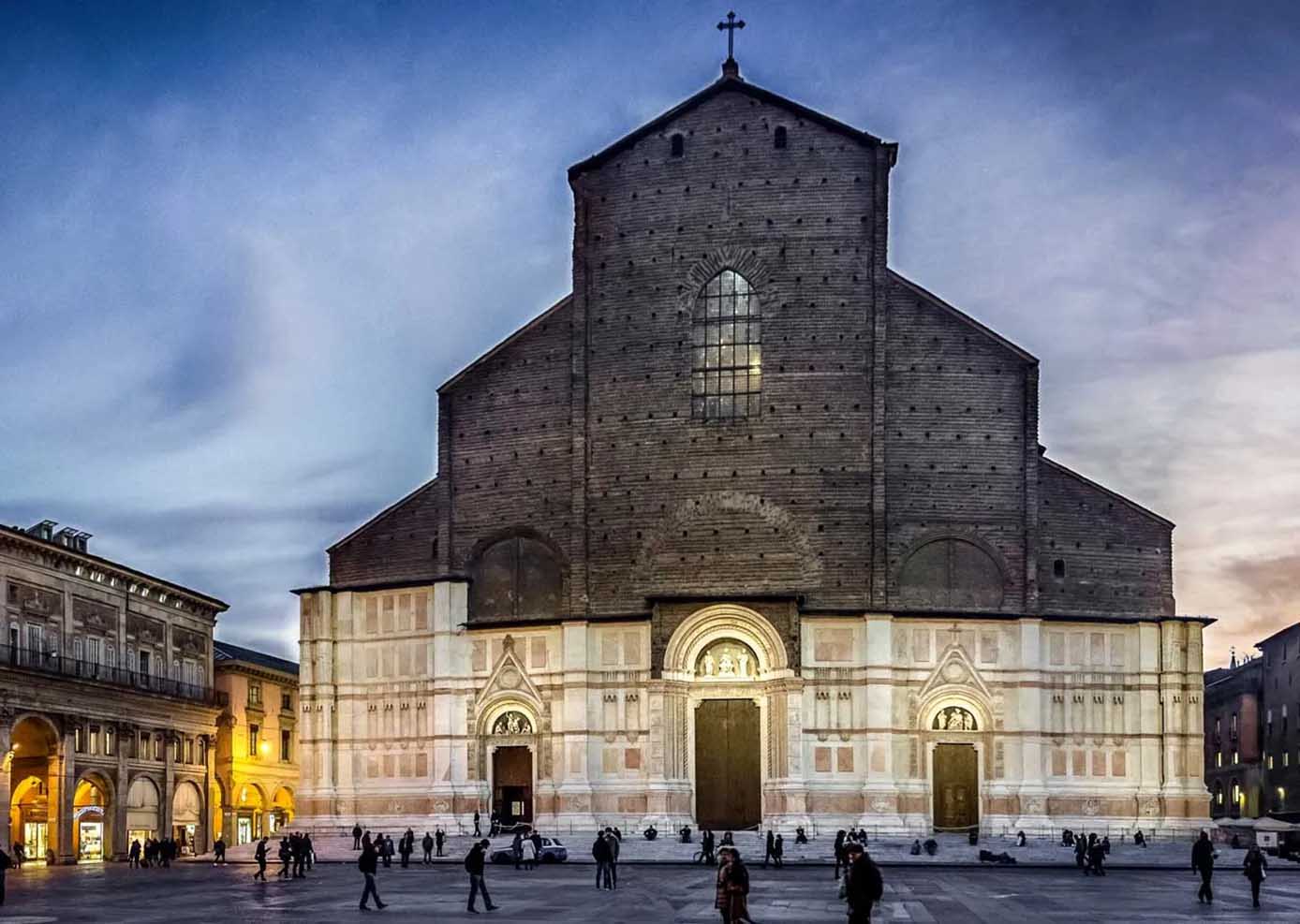
Europe’s fifth-largest church, grand and magnificent inside. In winter, the temperature inside can be low, so dressing warmly is advised. The colorful murals and historic relics reveal the religious art of the Middle Ages. - Piazza Maggiore
Bologna’s central square is especially enchanting when lit up on winter evenings. Surrounded by majestic buildings, the square is lined with cafés and restaurants—ideal for resting and soaking in the city vibe. - Other Museums
The National Art Gallery, Modern Art Gallery, and Archaeological Museum remain open in winter. These places are essential for deeper cultural understanding. Check opening hours in advance to plan efficiently.
6. Special Experiences to Try
- Arcade Walks
Bologna boasts over 40 kilometers of arcades. In winter, the arcades shield you from wind and rain while creating a unique visual atmosphere. Strolling beneath them, you feel wrapped in history. - Winter Markets
During the holiday season, Bologna hosts Christmas markets (Mercatino di Natale), where you can buy handicrafts, festive decorations, and traditional foods, soaking up Italian holiday spirit. - Cultural Events
Though chilly, winter in Bologna offers rich cultural activities such as theater performances, concerts, and film festivals. Keep an eye on local event calendars—you might discover unexpected delights.
7. Shopping and Souvenirs
Bologna’s shopping scene is diverse, featuring modern malls and centuries-old artisan shops.
- Food Specialties
Parmesan cheese, Mortadella sausage, balsamic vinegar, and handmade pasta are ideal gifts that capture the essence of Bologna’s culinary excellence. Many specialty stores not only offer these authentic products but also present them in beautifully packaged gift sets, making them perfect souvenirs to bring home or to give to friends and family. Sampling these items in local markets or dedicated food shops also provides a delightful sensory experience. - Handicrafts
Traditional leather goods, ceramics, and handmade jewelry represent Bologna’s rich artisanal traditions and skilled craftsmanship. These items often feature unique designs that reflect the local culture and history, making them excellent choices for travelers seeking distinctive and meaningful souvenirs. Visiting small workshops or boutiques allows for a more personal shopping experience and the chance to learn about the artisans behind the creations. - Shopping Areas
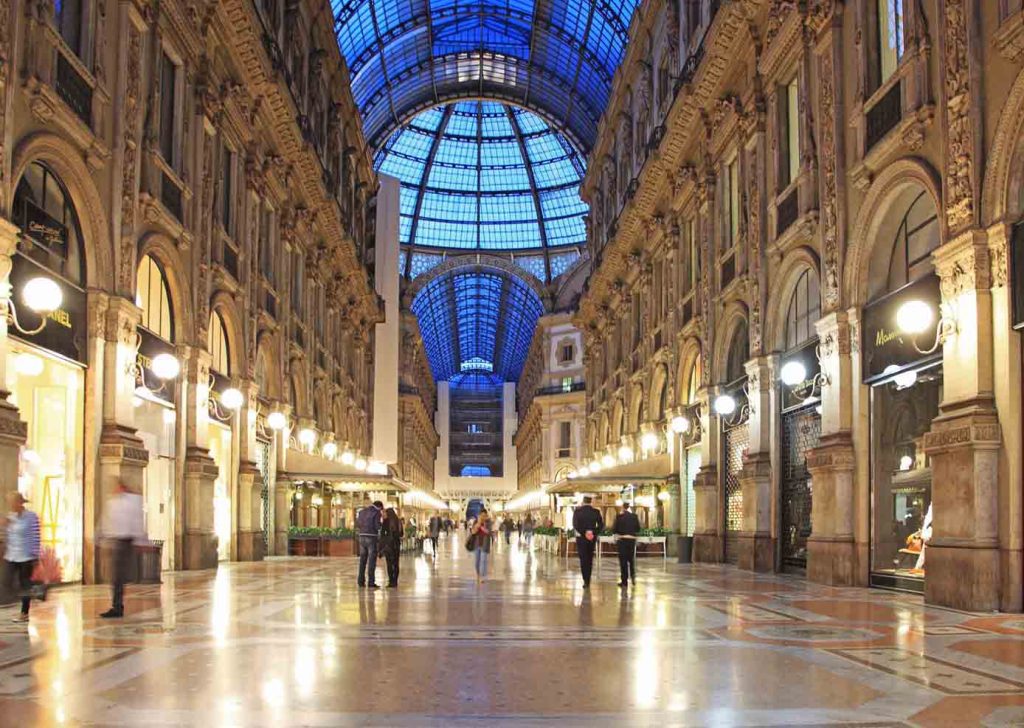
Galleria Vittorio Emanuele II and Via dell’Indipendenza are two of Bologna’s main shopping streets, bustling with activity and lined with a mix of high-end stores, boutiques, and cafes. During the winter season, these areas are beautifully decorated with festive lights and ornaments, creating a warm and inviting atmosphere that enhances the overall shopping experience. Strolling through these streets not only satisfies shopping needs but also offers a chance to soak up the city’s seasonal charm.
8. Practical Tips
- Language
Italian is the main language. With fewer tourists in winter, English communication might be less fluent than in peak seasons. Learning a few simple Italian phrases, like asking for directions or ordering food, will make your trip smoother. - Currency and Payment
Italy uses the Euro. Most places in the city center accept credit cards and mobile payments, but some small shops and markets prefer cash. It’s wise to carry some cash. - Safety
Bologna is generally safe, but since nights come early in winter, be mindful of personal belongings when out after dark, especially on public transport and in crowded areas. - Opening Hours
Restaurants and shops may adjust hours in winter, often having longer midday breaks. Checking opening times ahead is very important. - Wi-Fi and Communication
Most cafés and public areas offer free Wi-Fi. Buying a local SIM card is also convenient.
Winter Bologna is a hidden gem, where the crisp air holds the warmth of history, and food and culture weave a unique charm. Walking through the city without rush, slowly savoring every building’s story, every cup of coffee’s warmth, and every friendly smile—this is the essence of wintertime Bologna. I hope these travel tips help you discover another side of this city and enjoy a truly special Italian journey.