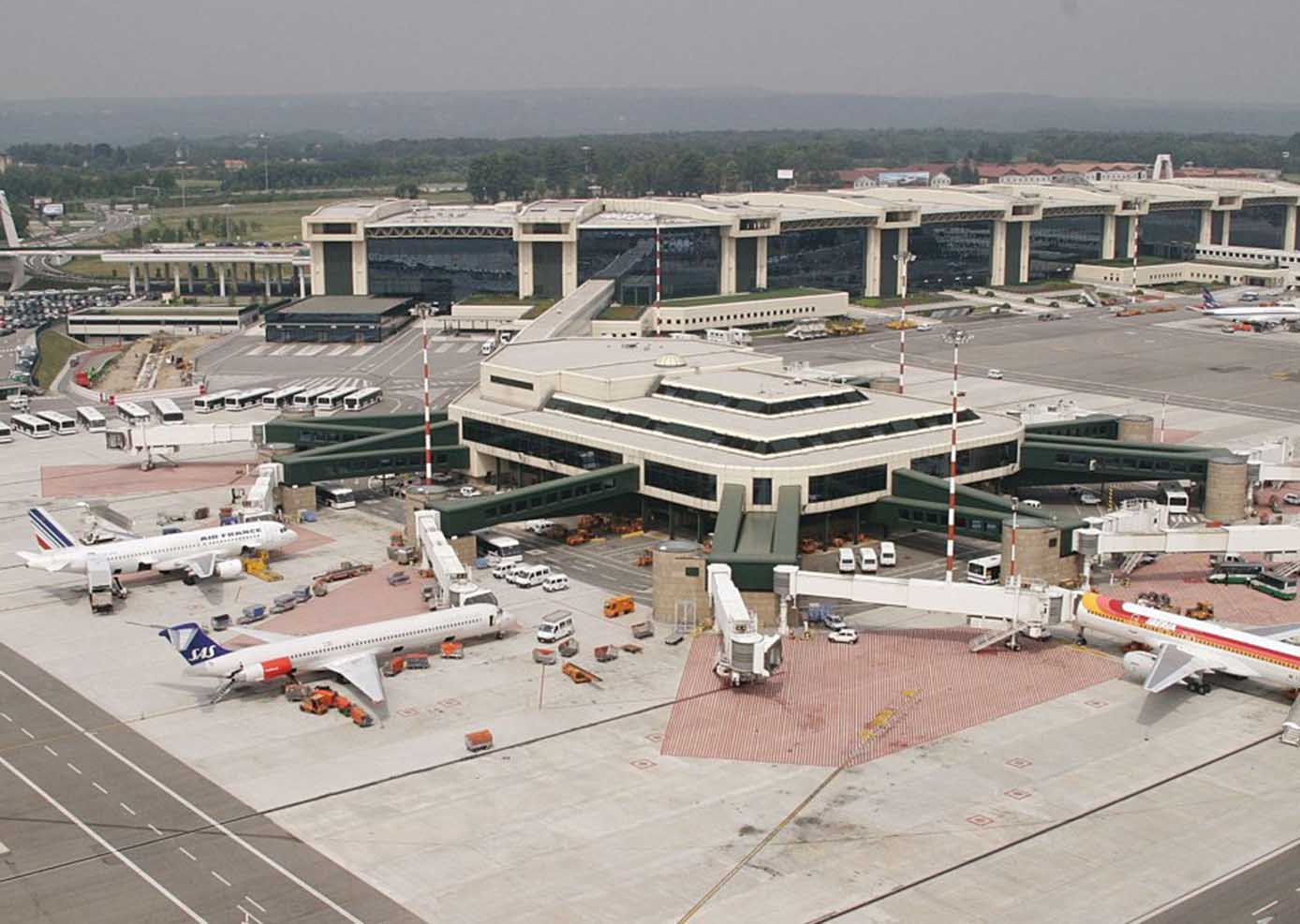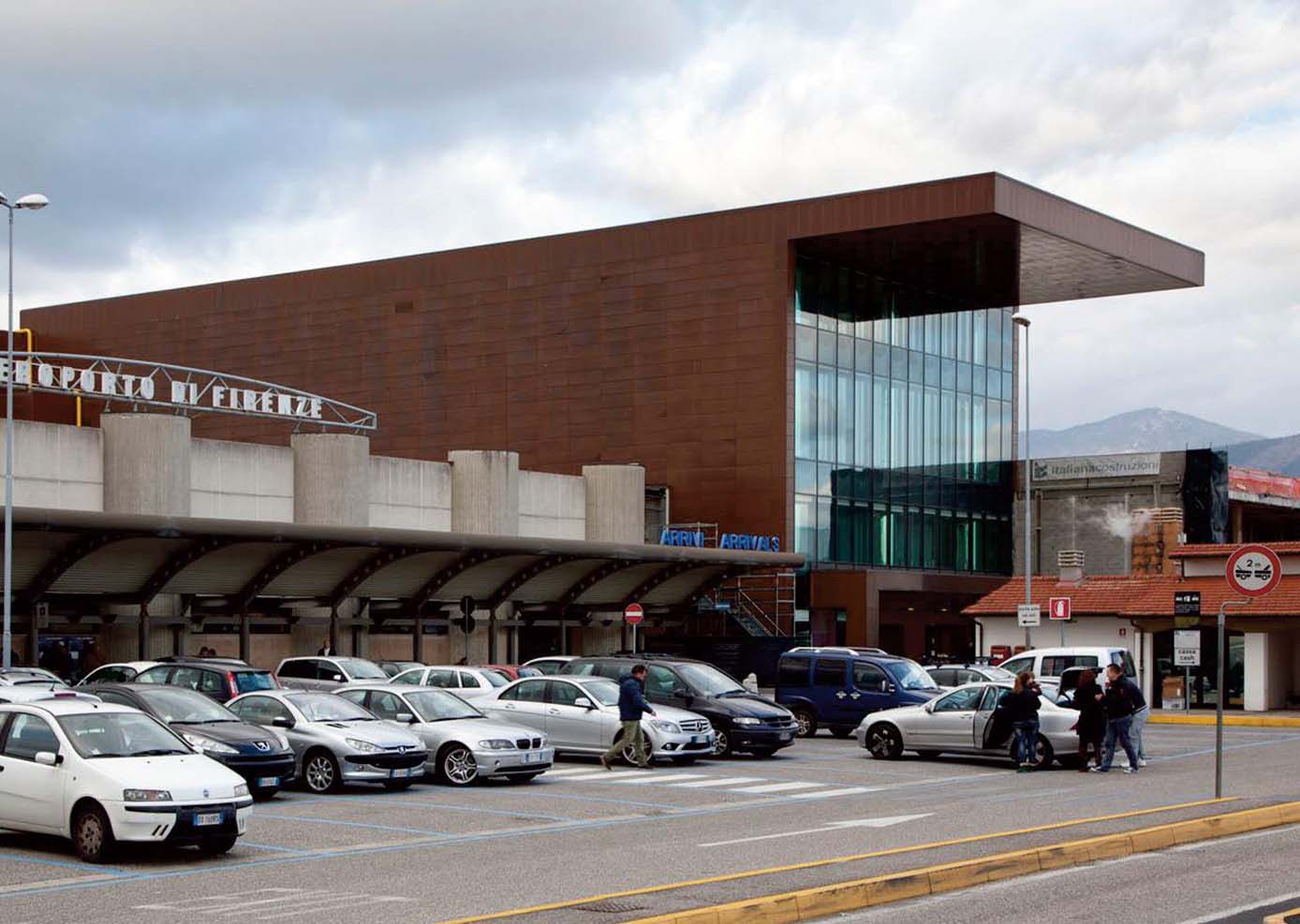
Florence, the birthplace of the Renaissance, boasts stunning artistic treasures and a charming cityscape. Every time I think about flying to this city, my heart fills with anticipation and excitement. Although Florence is well-known, its airport is relatively small, and many people hesitate when planning their trips about how to choose the best flights. After multiple personal experiences and in-depth research, I have summarized a set of flight strategies that are both economical and convenient for flying to Florence. I’m happy to share them with you to help you arrange an efficient and budget-friendly trip.
1. Understanding Florence Airport: Features and Limitations
The main airport in Florence is Florence Peretola Airport (Aeroporto di Firenze-Peretola, code FLR), located about 6 kilometers north of the city center. It is a relatively small international airport. Its advantage lies in its proximity to the city, with convenient transportation; taking a taxi or airport bus usually takes about 15-20 minutes to reach downtown.
However, the airport’s disadvantages are also obvious. Flight frequency is limited, with few international direct routes. Most flights connect to European inland cities, especially hub airports like Rome, Milan, Paris, Frankfurt, and London. For travelers from Asia, North America, and other distant regions, direct flights to Florence are nearly nonexistent, requiring transfers in other cities.
Therefore, when planning flights to Florence, you must first understand your departure location and reasonably choose between direct flights or transfers.
2. Basic Strategies for Choosing Flights
Based on my experience, there are three main flight options for traveling to Florence:
- Direct Flights to Florence (suitable for European departures)
If you depart from major European cities, especially the UK, Germany, France, Spain, or other Italian cities, Florence airport often offers multiple direct flights. Although these flights might be slightly more expensive, they save time and provide a more comfortable experience. - Fly to Nearby Major Airports, Then Transfer by Land (suitable for long-distance departures)
If departing from Asia, America, or other faraway regions, direct flights to Florence are almost impossible. In this case, I choose to fly into Italy’s main international airports such as Rome Fiumicino Airport (FCO) or Milan Malpensa Airport (MXP), then take a high-speed train or bus to Florence. Although this adds an extra leg to the journey, flight options are more abundant and prices more flexible. - Fly to Other European Hub Airports, Then Transfer to Florence
Another common strategy is to first fly into large European airports like Paris Charles de Gaulle, Frankfurt, or London Heathrow, then take a European domestic flight or train to Florence. This option suits travelers who enjoy segmented trips and flexible plans.
3. How to Find the Best Value Flights
- Use Multiple Flight Comparison Platforms
I usually use several internationally renowned comparison websites simultaneously, such as Skyscanner, Google Flights, and Momondo. These platforms help me quickly compare prices and schedules across airlines. Skyscanner’s “flexible dates” feature is particularly useful for finding the lowest fares on different days.
By comparing multiple platforms, I often find hidden bargains, especially promotional fares from low-cost carriers.
- Pay Attention to Low-Cost Airlines
Florence airport is served by several well-known European low-cost carriers like Ryanair, easyJet, and Virgin Atlantic. Although service on these airlines is basic, prices are affordable, suitable for budget travelers.
Note that these airlines often have strict baggage policies and boarding procedures. Understanding luggage rules and packing smartly is key to avoiding extra fees.

- Choose Suitable Transfer Points
For connecting flights, selecting the right transfer city is very important. Italy’s Rome and Milan airports offer many connections to Florence, while European hubs like Frankfurt, Paris, and Amsterdam have frequent flights and efficient transfers.
I once chose to transfer in Frankfurt, keeping my layover under two hours, which ensured smooth transit without long waits at the airport.
- Book Early and Stay Flexible
Generally, booking tickets early yields better prices, especially 1-3 months in advance. During holidays or peak seasons, ticket prices usually rise, so planning ahead is crucial.
Also, keep flexibility when choosing dates. Avoid peak return days like Fridays or Sundays and opt for departures on Tuesdays or Wednesdays, which tend to be cheaper.
4. Detailed Introduction of Major Airports Near Florence and Transfer Options
- Florence Peretola Airport (FLR)
- Advantages: Close to downtown, convenient transportation.
- Routes: Mainly direct flights connecting various European cities.
- Transportation: ATAF airport bus (Line A) goes directly to the central train station in about 20 minutes; taxi costs about 15-20 euros.
- Notes: Small airport with basic facilities but sufficient.
- Rome Fiumicino Airport (FCO)
- Advantages: Many international flights connecting global cities.
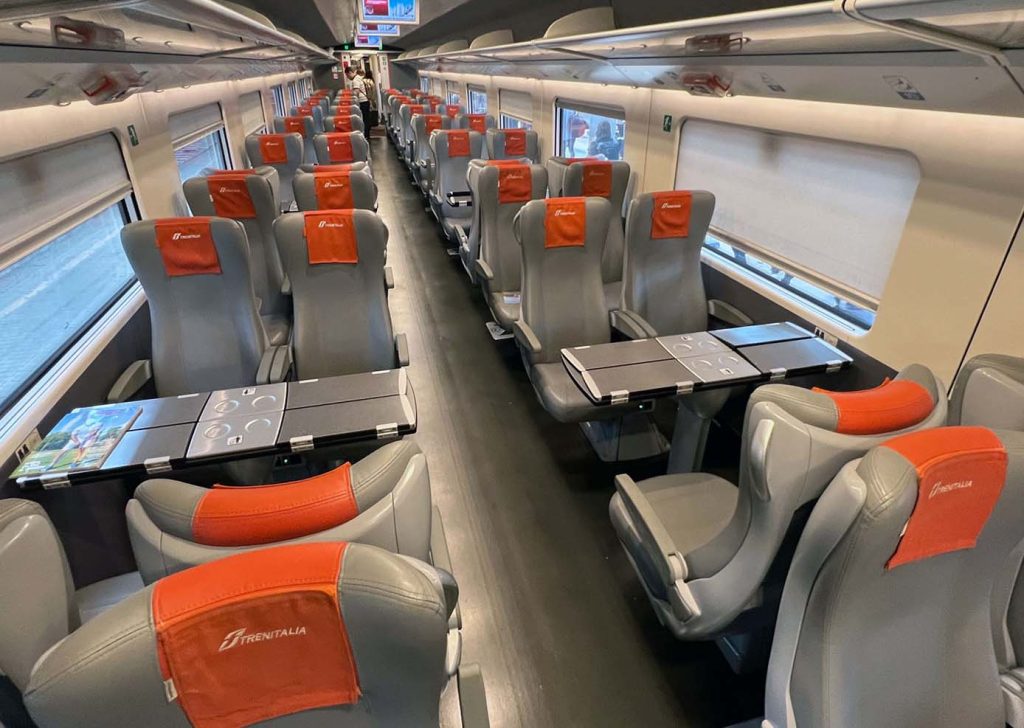
- Transportation: From the airport, take a train or bus to Rome’s central station, then a high-speed train (Frecciarossa or Italo) to Florence in about 1.5 hours.
- Costs: High-speed train tickets cost around 20-50 euros; booking early offers discounts.
- Recommendation: Suitable for long-distance travelers transferring through Rome.
- Milan Malpensa Airport (MXP)
- Advantages: Another major international airport with many routes.
- Transportation: Take the airport express train to Milan central station, then a high-speed train to Florence in about 2 hours.
- Costs: Airport express train around 13 euros; high-speed train 20-60 euros.
- Tips: Route is suitable for travelers departing from northern or western Europe.
5. Practical Booking Tips and Money-Saving Secrets
- Use Miles and Points for Redemption
If you frequently use airline loyalty programs and accumulate miles, redeeming tickets to Florence can be a great way to save money. Especially in the off-season, redeeming award tickets can save a lot of cash.
I always check my mileage balance before trips and plan redemptions around promotions, sometimes saving half or more on airfare.
- Watch for Official Airline Promotions
Many airlines offer seasonal discounts, especially “early bird” deals in winter and spring, which are worth following. Subscribing to airline newsletters or social media helps me get promo info promptly.
I once used easyJet’s winter promotion to fly to Florence at a very low price, enjoying a perfect winter trip.
- Use Flexible Date Searches
Often, shifting departure or return dates slightly reveals better deals. Using the “±3 days” feature on flight comparison sites helps me find hidden low fares.
If possible, choose weekdays or non-holiday travel when prices are usually friendlier.
- Avoid Peak Travel Periods
Christmas, New Year, Easter, and summer vacations are Florence’s peak seasons, with sharply increased ticket prices. Try to travel off-peak in November or February for cheaper fares and fewer crowds.
6. Transfer Tips and Airport Experience
Transfers are inevitable for long-distance travelers, so arranging transfer time wisely is crucial. My advice:
- Allow enough time for transfers — at least 2 hours, especially when international to domestic transfers require check-in and security checks.
Give yourself a buffer in case of delays or long queues. Two hours is a minimum, but for larger airports, three hours can be safer. This extra time also reduces stress and gives you flexibility if your first flight is slightly delayed. - Understand transfer procedures — some airports separate international and domestic terminals, requiring shuttle rides. Know the process in advance to avoid delays.
Research the airport layout before your trip. Knowing whether you need to clear passport control, recheck baggage, or take a shuttle between terminals can save valuable time and prevent confusion when minutes count. - Use airport facilities — major hubs like Frankfurt and Paris Charles de Gaulle offer comfortable lounges and dining options, great for rest.
If you have a long layover, take advantage of what the airport offers. Relax in a lounge, enjoy a meal, or recharge your devices. Some airports also have showers or nap zones to make your wait more pleasant. - Avoid overnight transfers to ensure safety and comfort.
Spending the night at an airport is rarely restful or safe. Fewer staff, limited services, and closed lounges make overnight layovers uncomfortable. When booking flights, try to arrange connections during daytime hours to stay alert and well-rested.
7. Alternative Options in Special Cases
- Fly to Pisa Airport Then Transfer
Pisa International Airport is about 80 kilometers from Florence. Though flights are limited, prices are sometimes cheaper than Florence airport. From Pisa, trains or buses take about an hour to Florence. - Charter or Private Flights
For travelers with generous budgets seeking utmost convenience, chartering a plane is an option. Especially during the pandemic, private flights reduce contact risk and save transfer time.
8. Personal Reflections
Choosing flights to Florence requires careful planning and comparison, especially for long-distance travelers who need to balance time and budget. By searching across multiple channels, selecting reasonable transfers, and flexibly scheduling travel dates, I have not only saved on airfare but also greatly enhanced my flying experience.
Although Florence airport is small, its prime location with direct access to downtown leaves a great first impression of the trip. Even when transfers are necessary, combining them with Italy’s high-speed rail system allows for convenient and fast arrival.
Whether it’s your first visit to this art city or you are a seasoned traveler, planning flights well is a crucial step for a perfect trip.