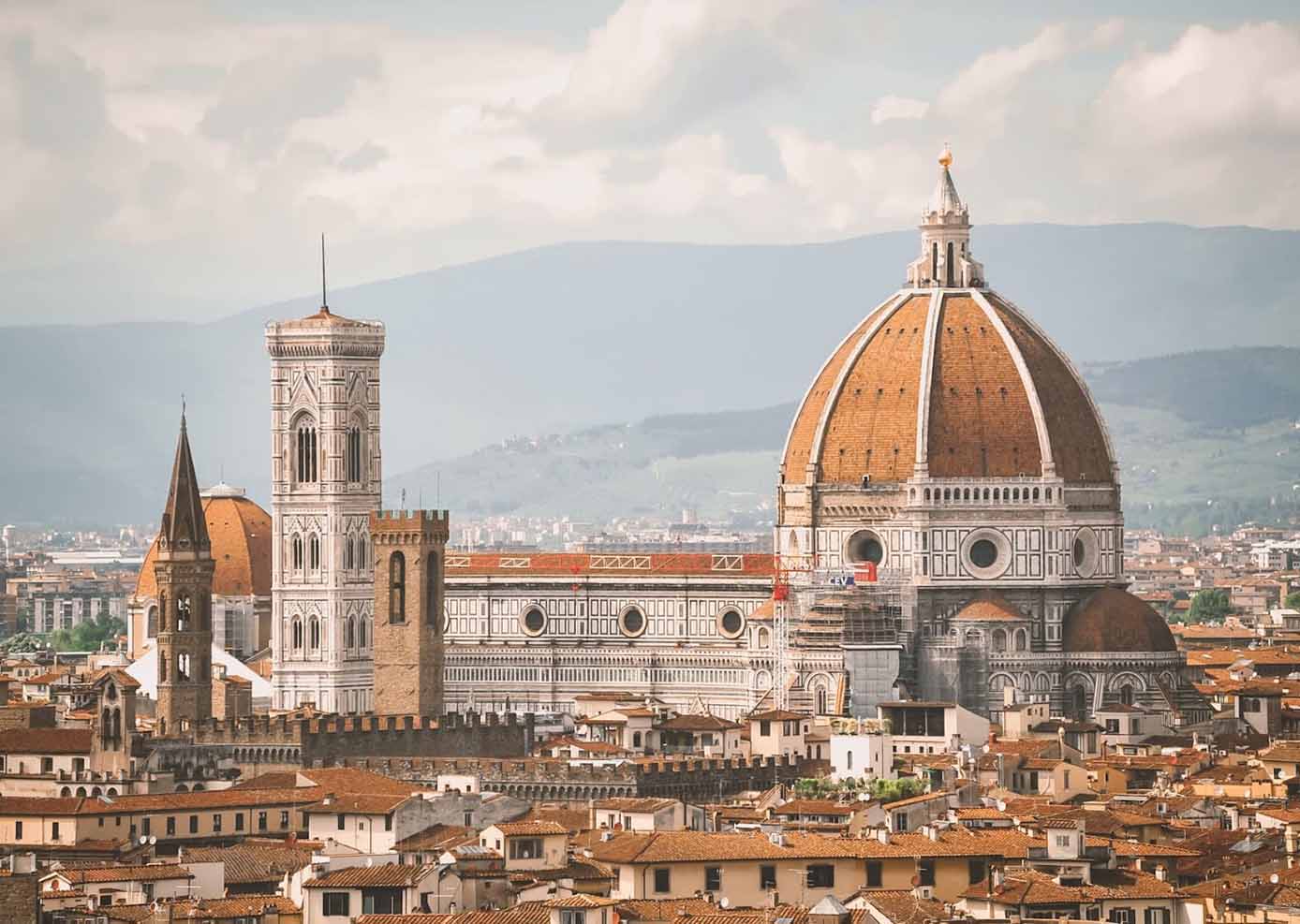
The first time I arrived in Florence, I was as excited as a child. It felt like a long-awaited reunion, like stepping into a scene I had dreamt of for years: the majestic dome of the Santa Maria del Fiore, the soulful corridors of the Uffizi Gallery, and the sunset by the Arno River that moved me deeply. But reality quickly reminded me: even paradise has its “standing queues.” In peak season, those serpentine lines at famous landmarks can seem endless, turning excitement into frustration in an instant.
So I started to refine my experience, testing and experimenting repeatedly, until I came up with a “queue-beating guide” for efficient travel in Florence. Although the city is small, its attractions are densely packed, drawing global crowds. Without proper planning, waiting in line can become the main theme of your trip. To allow every traveler like me—those who love art and history—to enjoy a smooth itinerary, I’m sharing these tried-and-true practical tips.
1. Identify the Queue Hot Spots: Don’t Let Ignorance Drain Your Patience
In Florence, nearly all major attractions can have long queues during peak seasons, particularly from spring through early autumn and during holidays. Knowing where delays are most likely helps plan ahead and avoid wasting valuable time.
- Santa Maria del Fiore (Duomo) and its Dome: One of Florence’s most iconic sights. The dome climb requires a timed reservation with strict capacity limits. Showing up without booking is often futile—especially in summer, where lines can stretch around the square.
- Uffizi Gallery: A treasure trove of Renaissance art and one of the world’s top four galleries. Waiting times during the day frequently exceed one hour, particularly for those without reservations.
- Accademia Gallery: Home to Michelangelo’s David, this compact but essential museum draws huge crowds daily. Without a skip-the-line ticket, you might be standing still for a long while.
- Pitti Palace and Boboli Gardens: Less central and slightly more spacious, but on public holidays and weekends, especially when the weather is nice, queues can surprise you.
- Palazzo Vecchio and its Tower: A must for views over Florence, but the stairs are steep and only a certain number of people are allowed up at a time, leading to long waits.
- Medici Chapels, San Lorenzo, and other smaller sites: Although less famous, these sites are still beautiful. When tour groups descend en masse, their limited space means bottlenecks form quickly.
Recognizing these “hot zones” is the first step toward building a smart and efficient Florence itinerary.
2. Book Online in Advance: Florence’s Travel “Pass”
One of the smartest decisions you can make when visiting Florence is booking your tickets ahead of time. Most major attractions offer online reservation options, allowing you to bypass unpredictable wait times. Not only does this save your energy, but it also helps plan your day more efficiently.
- Official websites like Opera di Santa Maria del Fiore offer direct access to Duomo tickets, with full transparency and the best price.
- Firenze Musei is the central platform for booking the Uffizi, Accademia, and other core museums with accurate availability.
- Third-party platforms such as GetYourGuide, Tiqets, and Klook offer added convenience, multi-language support (including Chinese), and often flexible cancellation policies—ideal for uncertain plans.
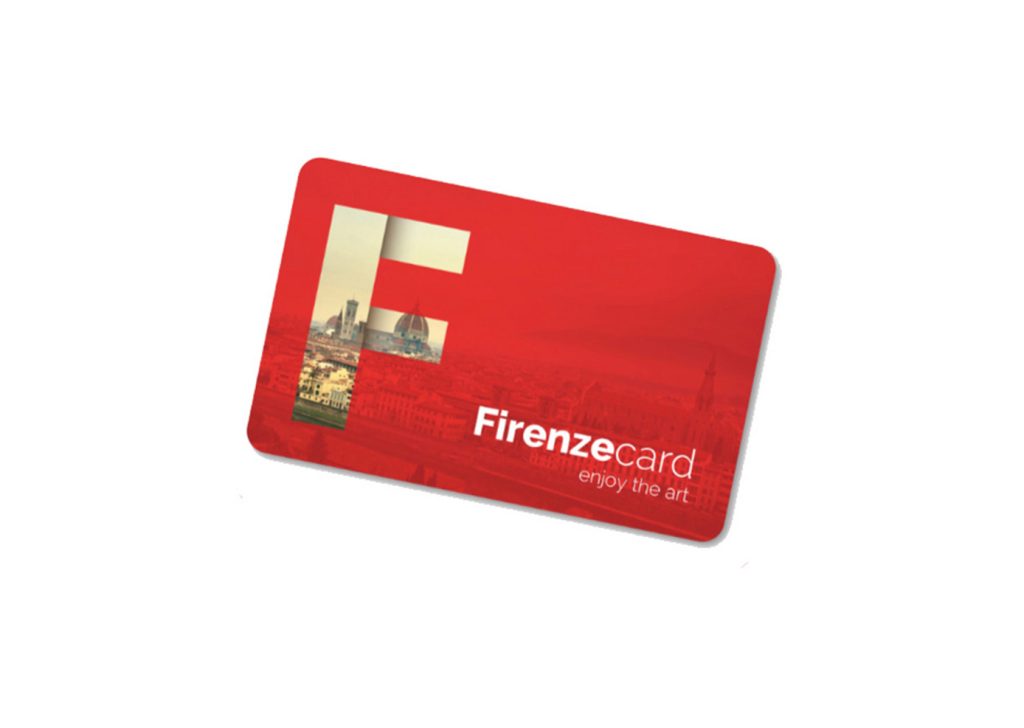
- Bundle passes like the Firenze Card or Florence Pass allow access to multiple museums with priority entry options. These are particularly helpful if you’re planning an intensive cultural itinerary over 2–3 days.
In my experience, booking at least a week in advance is highly recommended during peak seasons (April–October, Christmas, and Easter). Even during off-season months, popular time slots—especially morning entries—can sell out fast. Being prepared ensures your time is spent admiring masterpieces, not staring at the back of someone’s head in a line.
3. Use City Passes: Time is Money
If your itinerary covers several attractions, I highly recommend purchasing a city pass—it saves money and time. Here are the top options:
- Firenze Card
- Covers 30+ museums including Uffizi, Accademia, and Pitti Palace.
- Valid for 72 hours from first use.
- Skip-the-line access to most venues.
Tip: The card doesn’t include the Dome climb. A separate “Duomo Pass” must be bought if that’s on your agenda.
- Duomo Complex Pass
- Covers the church, dome, baptistery, museum, and bell tower.
- Includes timed slot for the dome. Recommended booking times are early morning or late afternoon.
- Florence Pass
- Bundles Uffizi, Accademia, and Duomo Dome.
- Offers free audio guide & priority entry—ideal if time is limited.
These passes saved me over three hours of waiting and spared me from ticket hassles like printing and verification.
4. Travel Off-Peak: Smart Scheduling
Florence’s charm can be overshadowed by its crowds, especially from late morning to mid-afternoon. To avoid the rush and reclaim the serenity of the city’s treasures, strategic scheduling is key.
- Arrive before opening: Most museums open around 08:15, and I always try to get there by 07:50. At the Uffizi, this means enjoying Botticelli’s Birth of Venus without elbowing for space. The quiet early hours offer a sacred calm that’s impossible later in the day.
- Use the midday lull: Between 13:30 and 15:00, many tourists take breaks for lunch or rest, creating a rare calm inside even the busiest sites. I often slot in my second museum visit here.
- Avoid weekends and public holidays: Locals and tour groups flood the streets then. I found Tuesdays and Wednesdays consistently less crowded and more peaceful.
- Explore during evening hours: Some venues like Pitti Palace offer special evening openings on certain days. Wandering the halls at night, bathed in soft lighting, creates a deeply atmospheric experience.
Optimizing your schedule in this way not only reduces queue times, but enhances your emotional connection to each site and ensures your photos are bathed in perfect light.
5. Use Audio and Mobile Guides: Stay In Control
To enjoy a rich, insightful museum visit while avoiding herd-style guided tours or noisy crowds, I turned to tech—and never looked back.
- The official Uffizi app and audio devices available on-site let me scan exhibit numbers and follow a curated explanation at my own pace. I could pause, skip, or replay based on what intrigued me.
- The Rick Steves Europe app offers excellent, free audio tours for major attractions like the Uffizi, Accademia Gallery, and the Duomo. The tone is engaging, and the route maps are intuitive.
- Google Arts & Culture, while not a substitute for being there, allowed me to study key works in advance and appreciate their context before seeing them in person.
What I love most about audio guides is the freedom: I create my own museum flow, skip the bottlenecks, and absorb only what speaks to me. For me, this is the art of “roaming with purpose”—a way to connect deeply without constraint.
6. Dining, Shopping & Transit: Small Queues Matter Too
Saving time in Florence isn’t just about skipping museum lines—it’s about managing every part of your day wisely. Even meals and transport, if left to chance, can disrupt an otherwise seamless itinerary.
- Restaurants: Eateries like Trattoria Mario, Sostanza, and La Giostra are legendary—and crowded. I always reserve at least three days ahead during peak season via TheFork or the restaurant’s official website. Some even require a phone call for confirmation. Don’t risk walk-ins unless you enjoy waiting on cobblestones.
- Train station tips: Florence’s Santa Maria Novella (SMN) station is a major transit hub and gets overwhelmingly busy. I avoid ticket windows entirely—machines are faster, multilingual, and less stressful. For high-speed trains, I buy tickets online days before.
- Shopping time: The high-end boutiques along Via de’ Tornabuoni get swarmed by tourists in the afternoon. I plan my visits for early morning (before 11:00) or just before closing—shop assistants are more relaxed, and changing rooms are open.
These minor adjustments help me avoid bottlenecks and keep my daily rhythm efficient and enjoyable. Florence should feel like a dream, not a queue.
7. Choose Alternative or Lesser-Known Sites
If a popular site has a monstrous line, explore these hidden gems instead:
- Brancacci Chapel: Featuring Masaccio’s powerful frescoes.
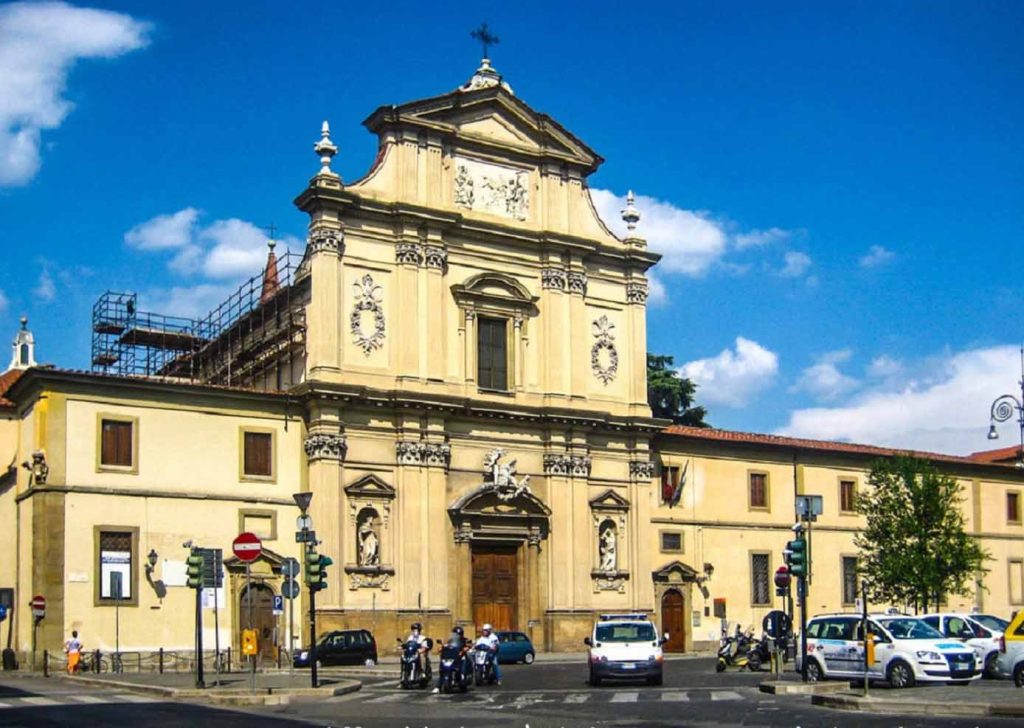
- Museo di San Marco: A former monastery adorned with Fra Angelico artworks.
- Duomo Museum (Opera del Duomo): Offers close-up views of dome models and sculptures.
- Stibbert Museum: Less crowded but fascinating collection of armor, weapons, and exotic art.
These quieter venues often offer richer, more intimate immersion.
8. Travel Tools I Rely On
- Booking: www.uffizi.it / www.duomo.firenze.it
- Reservations: Firenze Musei, TheFork, GetYourGuide
- Navigation: Google Maps for crowd flow and routing
- Translation: Google Translate for signs and menus
- Passes: Firenze Card, Florence Pass
- Dining planning: Tripadvisor + TheFork
These tools became my trusted travel companions, boosting my travel flow with ease.
9. Balancing Efficiency with Romance
Travel isn’t about ticking off attractions fast—it’s about traveling at an unhurried, comfortable pace while soaking in the city’s soul.
Florence offers unforgettable moments: the hush of Santa Croce, melodies on Ponte Vecchio, street art in hidden alleys, and the scent of wine at dusk. The precondition for these experiences? Time free from wasted waiting.
Beating queues isn’t about speed—it’s about freeing space in your itinerary for serendipity. May your Florence journey be one where every queue is anticipated, every wait intentional, and every moment connects you to art, place, and spirit.